
Whole-Body Hyperthermia
The Right Temperature, Not the Highest Temperature
Give me the power to produce fever, and I will cure all diseases.
— Ancient medical saying, attribution uncertain.
Historical Perspective: The Curative Power of Fever
The therapeutic potential of fever has fascinated physicians for more than two thousand years. Ancient Greek physicians recognized fever as a potentially beneficial biological response rather than simply a manifestation of disease.
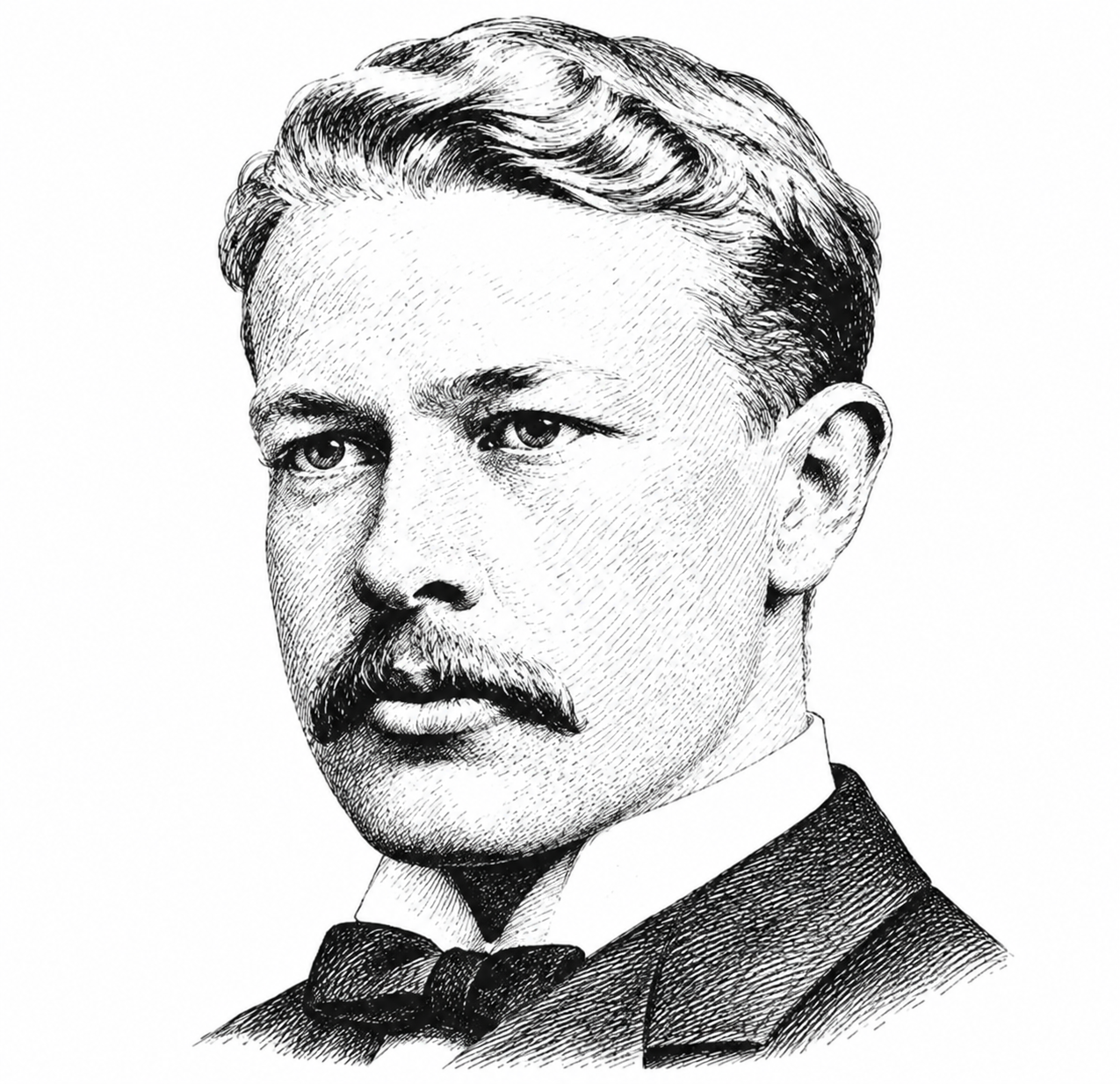
In 1868, German physician Wilhelm Busch reported tumor regression following a bacterial infection accompanied by fever.
These observations subsequently inspired Dr. William B. Coley, a New York surgeon widely recognized as the father of cancer immunotherapy.
Beginning in 1891, Coley investigated the relationship between bacterial infections, fever, immune activation, and cancer regression. He subsequently developed a preparation of killed bacteria, known as Coley’s toxins, to stimulate systemic antitumor immune responses.
Coley observed remarkable tumor regressions in selected patients, particularly those with sarcomas. He considered the febrile response an important component of the therapeutic activity of his bacterial preparations.
Although the effects of Coley’s toxins cannot be attributed to fever alone, his observations raised a fundamental scientific question: can controlled elevation of body temperature enhance the body’s biological defenses against cancer?
More than a century later, advances in molecular biology, cancer immunology, and thermal medicine are providing scientific explanations for some of these historical observations.
A Personal Perspective: From Memorial Sloan Kettering to Baylor College of Medicine
My interest in the therapeutic potential of fever has deep roots in my own scientific journey.
During my years at Memorial Sloan Kettering Cancer Center (MSKCC), I became particularly interested in the legacy of Dr. William B. Coley, who had served as Chief of Bone Tumors at Memorial Hospital, the predecessor of today’s MSKCC.
At the time of my research at MSKCC, Dr. Lloyd J. Old, a pioneer in modern cancer immunology, was still actively investigating antitumor immunity. His earlier research into the biological mechanisms underlying bacterial-induced tumor regression had led to the landmark discovery of tumor necrosis factor (TNF), now known as TNF-alpha.
This work provided an important molecular link between Coley’s historical observations and modern cancer immunology.
Years later, during my time at Baylor College of Medicine, I continued exploring the therapeutic potential of fever. In collaboration with Dr. Vikas P. Sukhatme and MBV Bioscience, a company developing mixed bacterial vaccines inspired by Coley’s toxins, I developed a phase I clinical trial protocol aimed at inducing a controlled febrile response in patients with cancer.
Unfortunately, the trial was never conducted because of the lengthy FDA regulatory process and the eventual cessation of operations at MBV Bioscience.
Although this research never reached the clinical trial stage, my interest in the therapeutic potential of fever remained.
My interest was not simply in raising body temperature, but in exploring the biological and immunological consequences of fever and their potential therapeutic applications in oncology.
These experiences, from Memorial Sloan Kettering to Baylor College of Medicine, have shaped my current interest in fever-range whole-body hyperthermia.
The Modern Science of Hyperthermia: Beyond Thermal Destruction
Hyperthermia has traditionally been viewed as a physical treatment intended to damage cancer cells through elevated temperatures. Modern cancer biology, however, reveals a much broader therapeutic perspective.
Temperature influences protein structure, cellular metabolism, DNA repair, blood circulation, immune function, and communication between cancer cells and their surrounding microenvironment.
Rather than simply destroying cancer cells through heat, controlled thermal exposure may modify multiple biological processes that influence cancer survival, treatment resistance, and immune recognition.
One of the most important discoveries in modern thermal biology is that different temperatures produce different biological responses.
Temperatures between 39 and 41°C are associated with immune activation, while temperatures around 41°C may interfere with DNA repair and increase cancer cell sensitivity to certain chemotherapy agents.
Excessive thermal exposure, however, may activate protective cellular mechanisms, induce thermotolerance, suppress immune function, and increase physiological stress.
The objective, therefore, is not necessarily to achieve the highest temperature possible, but to identify the appropriate temperature for the desired biological response.
Hyperthermia and the Hallmarks of Cancer
Modern cancer research recognizes that cancer is sustained by multiple interconnected biological pathways rather than a single molecular abnormality.
Hyperthermia is particularly interesting because it can influence several of these pathways simultaneously. Research has identified temperature-dependent effects on multiple hallmarks of cancer.
These biological effects extend beyond cancer cells themselves to the tumor microenvironment and the systemic interactions between cancer and the human body.
Immune Activation and Overcoming Immune Evasion
Fever-range temperatures may enhance several components of innate and adaptive immunity, including:
- Dendritic cell function and antigen presentation.
- Natural killer cell activity.
- T lymphocyte activation.
- Immune cell trafficking into tumors.
- Recognition of tumor-associated antigens.
- Communication between immune cells and vascular tissues.
These effects are particularly relevant to cancer immunotherapy.
Immune checkpoint inhibitors remove inhibitory signals from immune cells. However, effective antitumor immunity also requires cancer antigen recognition, immune cell activation, and the ability of immune cells to reach the tumor.
Hyperthermia may influence some of these essential biological processes, providing a rationale for its integration with cancer immunotherapy.
Interference With DNA Repair and Chemotherapy Resistance
Many chemotherapy agents exert their anticancer effects by damaging DNA. Cancer cells can resist these medications by activating DNA repair mechanisms.
Sufficient thermal exposure can interfere with several DNA repair pathways, including homologous recombination, base excision repair, and nonhomologous end joining.
Thermal stress can also disrupt the function of DNA repair-associated proteins, including BRCA2.
These effects may increase cancer cell sensitivity to DNA-damaging chemotherapy agents, particularly platinum-based medications such as cisplatin, carboplatin, and oxaliplatin.
The extent of DNA repair inhibition depends on the temperature achieved and the duration of thermal exposure.
Heat Shock Proteins and Thermotolerance
When cells encounter thermal stress, they produce heat shock proteins, including HSP70 and HSP90.
These proteins have two potentially opposing biological functions.
Extracellular heat shock proteins may facilitate antigen presentation and immune recognition, while intracellular heat shock proteins help cells maintain protein stability and survive stressful conditions.
Excessive or repeated thermal exposure may activate protective mechanisms that make cancer cells more resistant to subsequent heating. This phenomenon is known as thermotolerance.
The challenge is to achieve a potentially beneficial biological response without unnecessarily stimulating cellular protective mechanisms.
Tumor Circulation and Oxygenation
Controlled heating can increase blood circulation through physiological vasodilation.
Under appropriate conditions, thermal exposure may improve tumor perfusion, oxygen delivery, and the transport of chemotherapy agents into tumor tissues.
Poor oxygenation within tumors contributes to treatment resistance, abnormal metabolism, immune suppression, cancer stem cell maintenance, and metastatic progression.
Improving tumor oxygenation may therefore influence several interconnected cancer survival pathways, although vascular responses to heating vary among tumors.
Disruption of Protein Homeostasis and Cellular Metabolism
Cancer cells frequently produce large quantities of proteins to support rapid proliferation, altered metabolism, and oncogenic signaling.
This creates an increased demand on cellular protein quality control systems.
Sufficient thermal stress can disrupt protein structure, increase protein aggregation, and interfere with essential cellular functions.
These effects may create additional vulnerabilities in cancer cells already experiencing metabolic and oxidative stress.
However, substantial direct protein damage generally requires greater thermal exposure than that used in fever-range whole-body hyperthermia.
Hyperthermia as a Multi-Hallmark Targeting Strategy
Douglas Hanahan’s cancer hallmarks framework recognizes four interconnected dimensions of cancer biology: functional hallmarks, enabling characteristics, the tumor microenvironment, and systemic interactions between cancer and the host.
Whole-body hyperthermia is particularly interesting in this context because its biological effects are not necessarily confined to an individual tumor.
| Cancer-associated biological characteristic | Potential effects of hyperthermia |
|---|---|
| Sustained proliferative signaling | Modification of growth-associated signaling and protein function |
| Resistance to cell death | Increased vulnerability to therapeutic stress |
| Abnormal cellular metabolism | Modification of metabolic activity and oxygen availability |
| Immune evasion | Enhanced immune recognition, antigen presentation, and immune cell trafficking |
| Abnormal tumor vasculature | Potential improvement in tumor perfusion and oxygenation |
| Cellular plasticity | Potential modification of cellular stress adaptation |
| Genomic instability and DNA repair | Interference with DNA repair mechanisms |
| Tumor-promoting inflammation | Temperature-dependent regulation of inflammatory signaling |
| Tumor microenvironment | Modification of interactions among immune, vascular, and malignant cells |
| Systemic cancer-host interactions | Changes in circulation, immune regulation, and physiological responses |
This multi-pathway perspective is consistent with our Bifocal Oncology philosophy and the emerging concept of cancer hallmark co-targeting.
Rather than exclusively targeting an individual molecular abnormality, we also seek to influence the common biological pathways that sustain cancer.
These potential mechanisms provide a scientific foundation for investigating hyperthermia as part of a comprehensive cancer treatment strategy, although not all have been demonstrated at the temperatures used in our protocol.
Dr. Joan M. C. Bull: Pioneering Fever-Range Whole-Body Hyperthermia Research in Houston
Dr. Joan M. C. Bull at the University of Texas Medical School at Houston conducted pioneering research combining fever-range whole-body hyperthermia with chemotherapy.
Her research challenged the assumption that effective hyperthermia requires extremely high temperatures.
Instead, she explored how temperature, chemotherapy exposure, treatment duration, and treatment timing could be optimized to enhance therapeutic activity while minimizing toxicity.
Oxaliplatin and Fever-Range Whole-Body Hyperthermia
In collaboration with researchers at MD Anderson Cancer Center, Dr. Bull’s group investigated the combination of oxaliplatin and fever-range whole-body hyperthermia in a highly treatment-resistant mammary adenocarcinoma model.
Thermal exposure at 40°C for six hours substantially enhanced the biological activity of oxaliplatin.
| Biological finding | Effect of hyperthermia |
|---|---|
| Oxaliplatin IC50 | Reduced by 50% |
| Intracellular platinum uptake | Increased by 34% |
| Platinum-DNA adduct formation | Increased by 36% |
Even more remarkable were the findings in the animal experiments.
| Treatment outcome | Percentage of treated animals |
|---|---|
| Complete and durable eradication of primary and metastatic tumors | 50% |
| Complete primary tumor regression followed by metastatic progression | 11% |
| Limited tumor response with prolonged survival | 17% |
The durable eradication of tumors suggested that antitumor immune responses might contribute to the effectiveness of the combined treatment.
Interestingly, increasing oxaliplatin toward its maximum tolerated dose did not improve therapeutic outcomes.
Treatment timing was also critically important. The greatest therapeutic activity was observed when oxaliplatin was administered 12 or 24 hours before hyperthermia.
These findings illustrate several important therapeutic principles:
- Higher chemotherapy doses do not necessarily produce better outcomes.
- Extreme temperatures are not necessarily required to enhance chemotherapy activity.
- Treatment timing can influence therapeutic synergy.
- Antitumor immune responses may contribute to the effectiveness of thermochemotherapy.
- Optimizing treatment combinations may be more important than maximizing individual treatment intensity.
These principles are particularly relevant to our interest in integrating fever-range whole-body hyperthermia with low-dose chemotherapy and immunotherapy.
Although these results were obtained in animal experiments, they provide an important scientific foundation for further clinical investigation.
Illustrative Clinical Studies
Fever-Range Whole-Body Hyperthermia Combined With Chemotherapy and Immunotherapy
Dr. Joan Bull and her colleagues also explored the clinical application of fever-range whole-body hyperthermia in combination with cisplatin, gemcitabine, and interferon-alpha.
Among 37 patients with advanced or treatment-resistant solid malignancies, the combined complete and partial response rate was 43%.
Encouraging responses were observed in patients with pancreatic cancer and high-grade neuroendocrine malignancies. Responses were also observed in some patients whose cancers had previously progressed on the same chemotherapy agents.
Patients who responded to treatment experienced improvements in quality of life.
Peripheral neuropathy and ototoxicity were the principal dose-limiting toxicities.
These preliminary clinical findings illustrate the potential of integrating thermal therapy, chemotherapy, and immune modulation. However, without a randomized comparison, the independent contribution of hyperthermia cannot be determined.
Hyperthermia and Chemotherapy in High-Risk Soft Tissue Sarcoma
One of the most compelling examples of the clinical potential of hyperthermia comes from an international randomized phase III clinical trial involving patients with localized, high-risk soft tissue sarcoma.
A total of 341 patients were randomized, with 329 eligible for the intention-to-treat analysis.
Patients received chemotherapy alone or chemotherapy combined with regional hyperthermia.
| Clinical outcome | Chemotherapy alone | Chemotherapy plus regional hyperthermia |
|---|---|---|
| Five-year survival | 51.3% | 62.7% |
| Ten-year survival | 42.7% | 52.6% |
| Median survival | 6.2 years | 15.4 years |
The addition of regional hyperthermia was associated with a 35% reduction in the hazard of local progression or death and a 27% reduction in the hazard of death attributable to cancer or its treatment.
These findings demonstrate that thermal therapy can enhance the effectiveness of chemotherapy in selected clinical circumstances.
Although this treatment involved regional rather than whole-body hyperthermia, it illustrates the potential therapeutic importance of combining heat with chemotherapy.
Lessons From Clinical Research
Not all clinical investigations of hyperthermia have demonstrated meaningful benefits.
Different heating technologies, temperatures, treatment durations, chemotherapy combinations, and patient populations have produced substantially different outcomes.
Available clinical evidence has not established consistent improvements in survival or quality of life with complementary whole-body hyperthermia across cancer types.
These observations reinforce the importance of optimizing thermal exposure according to its intended biological purpose rather than simply applying more heat.
Our Whole-Body Hyperthermia Protocol at Omega Precision Oncology
Biologically Meaningful Temperature Rather Than Extreme Heat
At Omega Precision Oncology, our whole-body hyperthermia program is designed around the modern scientific understanding of temperature-dependent cancer biology.
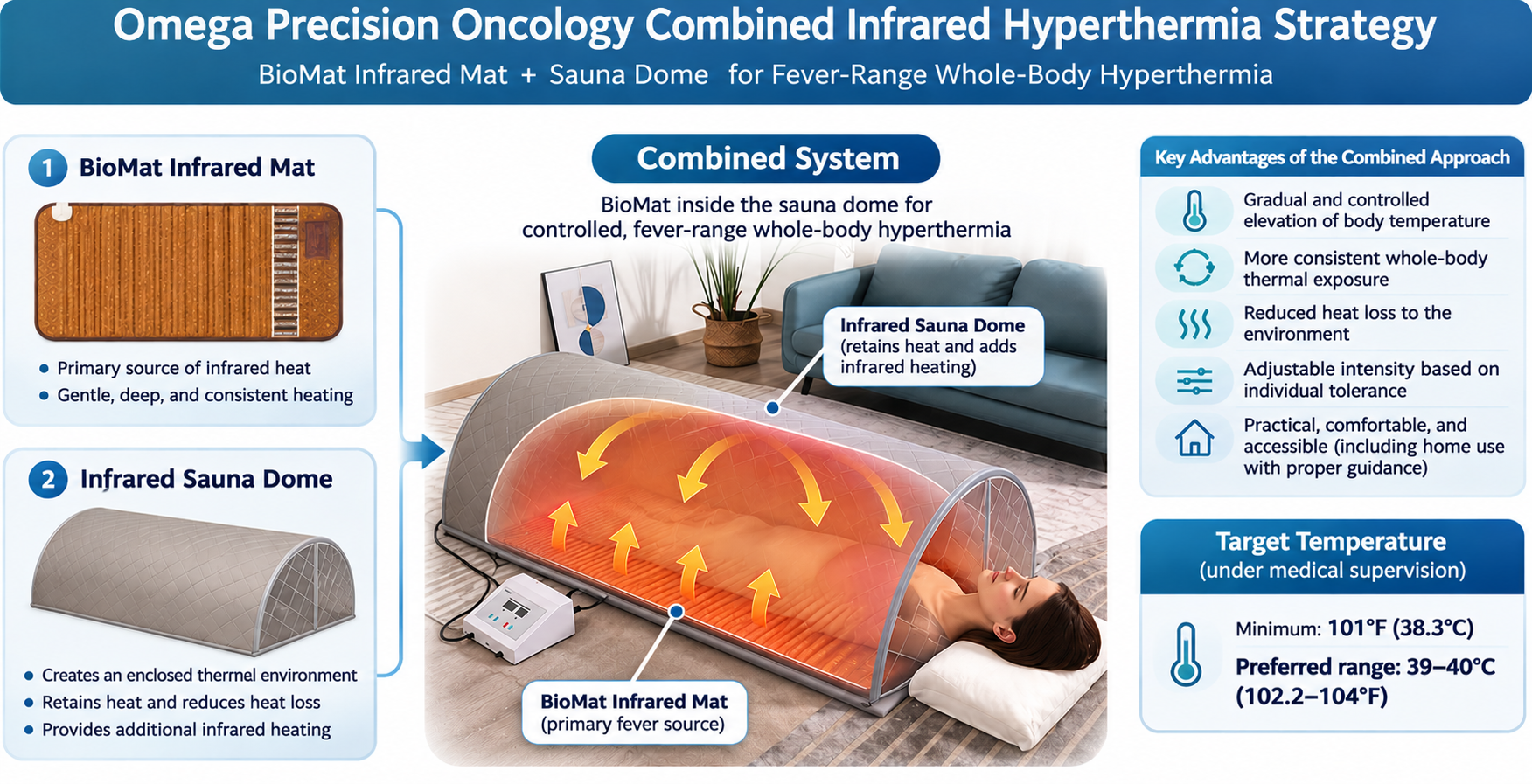
Our minimum intended core body temperature is 101°F (38.3°C), with a preferred target range of 39–40°C (102.2–104°F), depending on individual patient tolerance and medical condition.
This preferred temperature range falls within the range associated with immune activation in modern thermal biology research.
Our objective is to explore the potentially beneficial biological effects of physiological fever without unnecessarily exposing patients to extreme thermal stress.
Temperature and treatment duration are individualized under medical supervision.
Our Combined Infrared Hyperthermia System
At Omega Precision Oncology, we use a combination of a BioMat infrared heating mat and an infrared sauna dome to achieve controlled fever-range whole-body hyperthermia.
The BioMat is placed inside the sauna dome and serves as the primary source of infrared heat. The patient lies on the BioMat while the sauna dome encloses the body, leaving the head outside.
The two heating technologies serve complementary purposes.
BioMat Infrared Heating Mat
- Serves as the primary source of infrared heat.
- Provides thermal exposure from underneath the body.
- Contributes to the gradual elevation of body temperature.
Infrared Sauna Dome
- Creates an enclosed thermal environment.
- Retains heat generated by the BioMat.
- Reduces heat loss to the surrounding environment.
- Provides additional infrared heating from above and around the body.
By combining these two technologies, we create a thermal environment designed to facilitate controlled elevation of core body temperature.
In our clinical experience, the combination of the BioMat infrared heating mat and the infrared sauna dome allows us to achieve our intended fever-range core body temperature.
Although the therapeutic efficacy of this combined heating system has not yet been clinically validated, we have demonstrated its practical feasibility in achieving our target temperature under medical supervision.
Our approach focuses on controlled, biologically meaningful thermal exposure while avoiding unnecessary thermal stress.
Integration With Chemotherapy
We are particularly interested in using whole-body hyperthermia as a potential chemosensitizing strategy.
Rather than simply increasing chemotherapy doses, we explore whether modifying the biological state of cancer cells and their surrounding environment can make them more vulnerable to treatment.
This approach is consistent with our interest in low-dose and metronomic chemotherapy, which seeks to influence cancer cells, the tumor microenvironment, angiogenesis, and immune regulation.
Dr. Joan Bull’s research provides an important experimental foundation for this concept.
Integration With Immunotherapy
Effective antitumor immunity requires more than releasing inhibitory signals from immune cells.
Cancer-associated antigens must be recognized, immune cells must be activated, and these immune cells must be able to reach and function within the tumor microenvironment.
Fever-range whole-body hyperthermia may influence several of these biological processes.
Our interest is in incorporating hyperthermia as part of a comprehensive strategy to create more favorable biological conditions for cancer immunotherapy.
The Intended Advantages of Our Protocol
Controlled Temperature Targets Consistent With Modern Science
Our temperature targets are informed by contemporary research on fever-range immune activation and temperature-dependent cancer biology.
Rather than pursuing maximum heat, we focus on a biologically meaningful temperature range with a scientific rationale for immune modulation and complementary therapeutic activity.
Our combined infrared heating system allows us to achieve these intended core temperature targets in appropriately selected patients under medical supervision.
Avoiding Unnecessary High Temperatures and Side Effects
Intensive whole-body hyperthermia can require specialized equipment, sedation, and intensive medical monitoring.
Excessively high temperatures can increase cardiovascular demand, dehydration, electrolyte disturbances, and other physiological stresses.
Our approach is designed to avoid unnecessary thermal intensity while exploring potentially beneficial biological responses.
Minimizing Excessive Thermal Stress and Thermotolerance
More heat does not necessarily mean greater therapeutic benefit.
Excessive thermal exposure may activate protective heat shock responses, promote thermotolerance, and potentially suppress immune function.
Our protocol is designed to limit unnecessary thermal stress while exploring the biological benefits of controlled fever-range temperatures.
Whether this approach reduces thermotolerance in human tumors remains to be established.
Complementary Effects With Other Cancer Treatments
Hyperthermia is not intended to replace conventional cancer treatment.
Its potential value lies in its ability to influence biological pathways that complement chemotherapy, immunotherapy, and other components of individualized cancer treatment.
Our focus is on optimizing therapeutic combinations rather than unnecessarily increasing the intensity of individual treatments.
Feasibility, Practicality, and Accessibility
A treatment should not only have a scientific rationale but also be feasible, tolerable, and practical.
Unlike intensive hyperthermia techniques that require complex medical infrastructure, our combined BioMat and infrared sauna dome system is designed to be more practical and accessible for appropriately selected patients.
The combination of two complementary heating technologies allows us to generate and retain heat without relying on unnecessarily intensive heating.
Its relative simplicity may facilitate incorporation into a patient’s ongoing cancer treatment program.
Patient Education and Home-Based Thermal Therapy
We believe patients should be active participants in their own care.
One of the practical advantages of our combined infrared heating system is that it uses relatively accessible equipment.
For appropriately selected patients, we provide education and individualized guidance regarding the potential use of home-based thermal therapy.
This includes appropriate equipment selection, equipment operation, hydration, temperature monitoring, safety precautions, and recognition of warning symptoms.
Home-based thermal therapy may offer greater convenience and accessibility, particularly for patients who live far from our clinic.
Home-based heating requires separate, individualized safety parameters and physician approval. Our supervised clinical target of 39–40°C should not be independently reproduced at home, as the safety of maintaining these core temperatures without medical supervision has not been established.
This approach reflects our commitment to making scientifically informed complementary care more accessible without compromising patient safety.
Patient Selection and Safety Monitoring
Whole-body hyperthermia produces systemic physiological changes and may not be appropriate for every patient.
Before treatment, we evaluate cardiovascular function, respiratory status, hydration, concurrent medications, physical performance, and the patient’s ability to tolerate elevated body temperature.
During supervised treatment, we monitor body temperature, heart rate, blood pressure, hydration, skin condition, and treatment tolerance.
Particular caution is required in patients with significant cardiovascular disease, cardiac arrhythmias, severe respiratory impairment, dehydration, impaired temperature regulation, impaired skin sensation, or severe frailty.
Patients experiencing unexplained fever or suspected infection, particularly during chemotherapy, require medical evaluation rather than therapeutic heating.
Patient safety always takes priority over achieving a predetermined temperature or treatment duration.
Our Philosophy: The Right Temperature, Not the Highest Temperature
From the ancient recognition of the therapeutic potential of fever to William Coley’s pioneering investigations, Lloyd Old’s discovery of tumor necrosis factor, Joan Bull’s fever-range thermochemotherapy research, and modern cancer hallmark science, our understanding of thermal medicine continues to evolve.
At Omega Precision Oncology, we view whole-body hyperthermia as a potential biological modifier of cancer treatment.
Our objective is not maximum thermal exposure, but biologically meaningful thermal exposure.
Not unnecessary physiological stress, but controlled biological modulation.
Not an isolated treatment, but a complementary component of a comprehensive, multi-pathway cancer treatment strategy.
Not unnecessary technical complexity, but feasibility, accessibility, and patient participation.
Not simply more heat, but the right temperature, the right timing, and the right biological response.
While we have demonstrated the practical feasibility of achieving our intended core body temperature using our combined infrared heating system, its clinical effectiveness in improving cancer treatment outcomes remains to be established through prospective research.
Selected Scientific References
- Duffell E. Curative power of fever. Lancet. 2001.
- Wiemann B, Starnes CO. Coley’s toxins, tumor necrosis factor and cancer research: a historical perspective. Pharmacology & Therapeutics. 1994;64(3):529–564. https://doi.org/10.1016/0163-7258(94)90023-X
- Carswell EA, Old LJ, Kassel RL, Green S, Fiore N, Williamson B. An endotoxin-induced serum factor that causes necrosis of tumors. Proceedings of the National Academy of Sciences. 1975;72(9):3666–3670. https://doi.org/10.1073/pnas.72.9.3666
- Evans SS, Repasky EA, Fisher DT. Fever and the thermal regulation of immunity: the immune system feels the heat. Nature Reviews Immunology. 2015;15:335–349. https://doi.org/10.1038/nri3843
- Gorbaslieva I, et al. Temperature-Dependent Effects of Induced Hyperthermia, Including Whole-Body Hyperthermia, on the Hallmarks of Cancer: A Systematic Review. Cancers. 2025. https://pmc.ncbi.nlm.nih.gov/articles/PMC12691179/
- Hanahan D. Hallmarks of cancer—Then and now, and beyond. Cell. 2026. https://doi.org/10.1016/j.cell.2025.12.049
- Rowe RW, Strebel FR, Proett JM, et al. Fever-range whole body thermotherapy combined with oxaliplatin: a curative regimen in a pre-clinical breast cancer model. International Journal of Hyperthermia. 2010;26(6):565–576. https://pmc.ncbi.nlm.nih.gov/articles/PMC4045248/
- Bull JMC, Scott GL, Strebel FR, et al. Fever-range whole-body thermal therapy combined with cisplatin, gemcitabine, and daily interferon-alpha: a description of a phase I-II protocol. International Journal of Hyperthermia. 2008;24(8):649–662. https://doi.org/10.1080/02656730802104740
- Issels RD, et al. Effect of neoadjuvant chemotherapy plus regional hyperthermia on long-term outcomes among patients with localized high-risk soft tissue sarcoma: The EORTC 62961-ESHO 95 randomized clinical trial. JAMA Oncology. 2018;4(4):483–492. https://doi.org/10.1001/jamaoncol.2017.4996
- Liebl CM, Kutschan S, Dörfler J, Käsmann L, Hübner J. Systematic review about complementary medical hyperthermia in oncology. Clinical and Experimental Medicine. https://doi.org/10.1007/s10238-022-00846-9